 admin
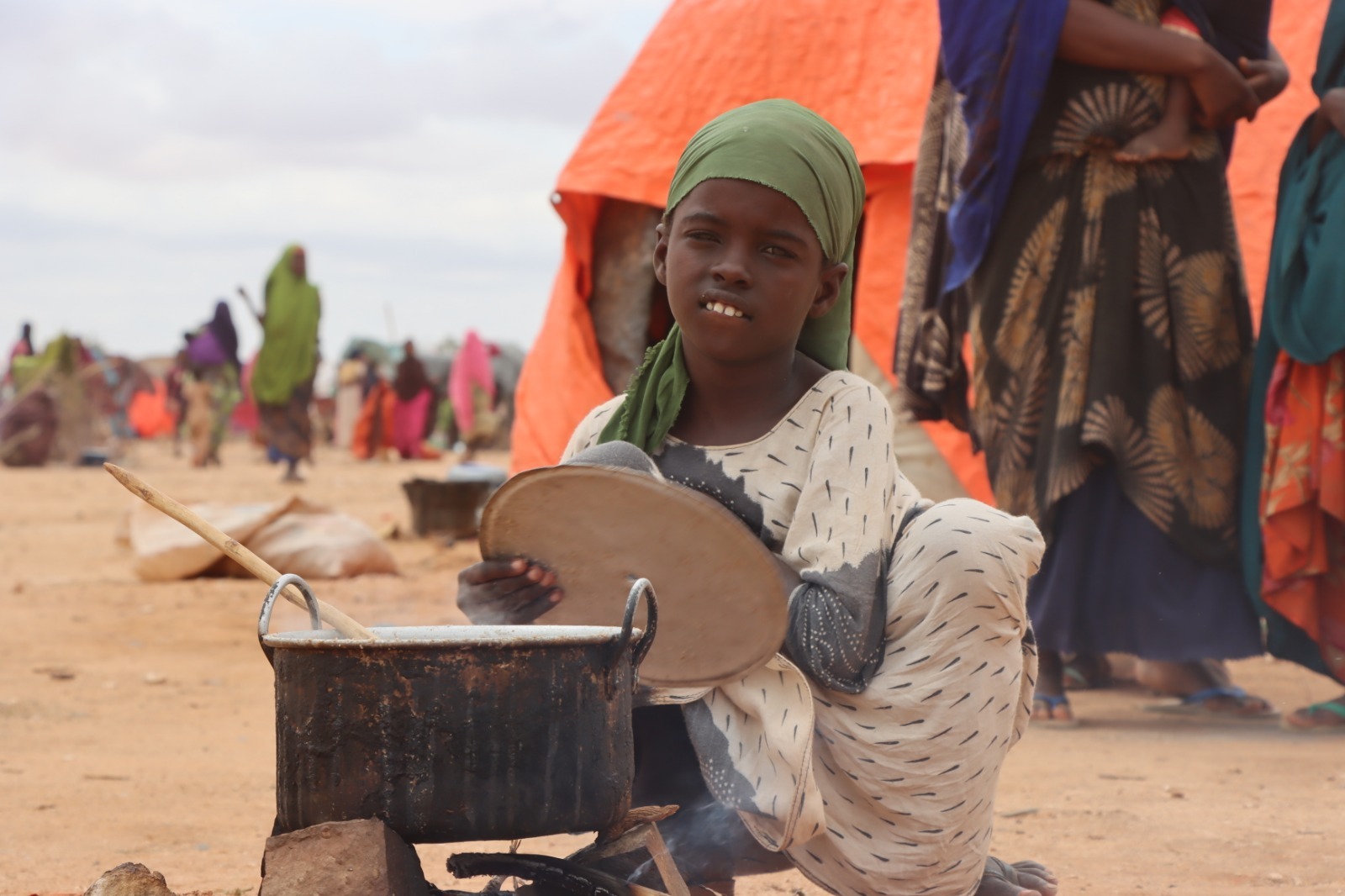
adminSomalia’s hunger crisis in 2025 is a multi-dimensional emergency, intensified by climate extremes and underfunded humanitarian response, threatening millions with food insecurity and malnutrition — especially children and displaced families. Immediate action and significantly boosted funding are widely regarded as essential to prevent further loss of life and suffering. Somalia’s food security outlook remains deeply concerning as the country moves from 2025 into early 2026, with persistent drought, weak rainfall recovery, high food prices, and limited humanitarian funding continuing to drive widespread acute food insecurity. Recent Integrated Food Security Phase Classification (IPC) analyses indicate that millions of people across Somalia are experiencing Crisis (IPC Phase 3) or Emergency (IPC Phase 4) outcomes, and these conditions are projected to persist well into 2026 unless there is a significant improvement in rainfall and assistance levels.
Across the country, the impacts of consecutive poor Gu and Deyr rainy seasons have severely undermined agricultural production and pastoral livelihoods. Crops have failed in many rain-fed farming areas, pasture regeneration has been minimal, and water sources continue to dry up. As households exhaust coping strategies, such as selling livestock or taking on debt, food access has become increasingly constrained, particularly for poor rural households and internally displaced people. In southern Somalia, including Jubaland (Lower and Middle Juba) and neighboring regions, food security conditions remain fragile. Limited rainfall has reduced crop yields and agricultural labor opportunities, while poor pasture and water availability have weakened livestock productivity. As a result, many communities are classified in Crisis (IPC Phase 3), with pockets of Emergency (IPC Phase 4) expected to persist or expand through the jilaal dry season and into early 2026 if conditions do not improve. Riverine and agro-pastoral households are particularly affected, as low production and high market prices restrict both food availability and purchasing power.
In Gedo region, which is traditionally among the most food-insecure areas, the outlook is especially alarming. Poor harvest prospects following failed rains, combined with insecurity and displacement, are projected to keep large populations in Crisis and Emergency phases. Without sustained humanitarian assistance, some livelihood zones in these regions risk further deterioration during 2026. Central and northern pastoral areas, including parts of Puntland and Somaliland, are also under severe stress. Livestock body conditions and milk production have declined due to prolonged dryness, reducing both food consumption and income from animal sales. Many pastoral households are expected to remain in Crisis (IPC Phase 3), with an increasing risk of Emergency (IPC Phase 4) outcomes during extended dry periods. Internally displaced persons (IDPs) across Somalia face some of the worst food security outcomes. With limited livelihood options and heavy reliance on markets and aid, many IDP settlements are already classified in Emergency (IPC Phase 4). Funding shortfalls have reduced the scale and consistency of assistance, leaving displaced families highly vulnerable to shocks.
Looking ahead, rainfall outlooks into early and mid-2026 offer little reassurance. Forecasts suggest a harsh jilaal dry season, followed by a potentially late and below-average Gu rainy season, which would limit recovery of crops, pasture, and water availability. Above-normal temperatures are expected to exacerbate evaporation and water stress, further undermining livelihoods and food access. Overall, Somalia’s food security situation is expected to remain fragile and highly vulnerable through 2026. Humanitarian actors warn that without timely, well-funded interventions — including food assistance, nutrition support, water services, and livelihood protection — large areas of the country could see a deepening of Crisis and Emergency outcomes. Sustained drought resilience and early recovery investments will be essential to prevent further deterioration and reduce the risk of catastrophic hunger in the coming year.
Call to Action
Kaalmo Relief & Development (KRD) a local non-profit humanitarian and development organization based in Somalia is urgently appealing to donors, partners, and the international community to support a timely and coordinated response to address the basic needs of drought-affected communities in Somalia. Drawing on its strong local presence, community partnerships, and experience in humanitarian and early recovery programming, KRD aims to deliver integrated, life-saving assistance that prioritizes dignity, accountability, and resilience. KRD is a trusted Somali humanitarian organization with deep community roots and proven capacity to operate in hard-to-reach areas. By working closely with local authorities, community committees, and humanitarian coordination mechanisms, KRD ensures that assistance reaches those most in need in a transparent, accountable, and conflict-sensitive manner. The window to prevent further deterioration is rapidly closing. Immediate funding is essential to scale up lifesaving assistance and protect the dignity and survival of millions of drought-affected Somalis. Without urgent support, the human cost of this crisis will continue to rise. KRD calls on donors and partners to act now — to save lives, alleviate suffering, and support drought-affected communities on the path toward recovery and resilience. With donor support, KRD seeks to:
- Provide emergency food assistance and cash support to enable vulnerable households to meet immediate food needs.
- Deliver safe drinking water through water trucking, rehabilitation of water sources, and support to community water management systems.
- Improve nutrition outcomes, particularly for children under five and pregnant and lactating women, through referrals, screening, and community-based support.
- Supply essential non-food items (NFIs) and basic household kits to displaced and drought-affected families.
- Promote hygiene and sanitation practices to reduce disease risks and protect public health.
- Support early recovery and livelihood protection activities to help communities withstand future shocks and reduce dependency on aid.